Archive
All articles
Every guide published on The Privacy Beam, newest first. Choose a topic to narrow the list.
 Tokenization
Tokenized Government Bonds and Money Market Funds, Explained
Some of the most established tokenized assets are also the most traditional. How tokenized bonds and money market funds work, why institutions use them, and where the limits lie.
 Security
Phishing, Fake Apps and Address Poisoning: How Crypto Scams Work
Most crypto theft relies on deception. The tactics scammers use most often, from look-alike websites to poisoned transaction histories, and how to recognise them.
 Blockchain basics
Mining and Validators: Who Actually Keeps a Blockchain Running
Blockchains have no central operator, yet new blocks appear every few seconds or minutes. How proof of work and proof of stake decide who adds them, and why it matters to users.
 Tokenization
Smart Contract Risk: What Can Go Wrong With Tokenized Assets
Tokenized assets rely on code as well as contracts. The main technical risks, from bugs to oracles and admin keys, and the questions that reveal how well a project handles them.
 Security
Seed Phrases: How Recovery Words Work and How to Store Them
Twelve or twenty-four ordinary words can restore an entire crypto wallet. How that works, why the words matter so much, and sensible ways to keep them safe.
 Blockchain basics
How Block Explorers Work: Reading a Transaction Step by Step
A block explorer turns raw blockchain data into pages anyone can read. What each field on a transaction page means, and what an explorer can and cannot tell you.
 Security
A Practical Checklist to Protect Your Crypto Privacy
Ten habits that reduce what strangers, scammers and data brokers can learn about your crypto, from address hygiene to phishing defence. No special tools required.
 Markets and data
Automated Crypto Trading: What Software Can and Cannot Do
Trading software runs around the clock and never gets tired. It also cannot see the future. A practical look at what automation really offers, and the questions to ask before using it.
 Privacy
 and Compliance in Crypto: Where the Line Sits
Financial privacy is a legitimate expectation, and anti-money-laundering rules are a legal reality. How the two interact in crypto, and what that means for ordinary users.
 Tokenization
Stablecoins as Payment Rails for Tokenized Assets
Tokenized assets need a way to pay and get paid on the same network. Why stablecoins fill that role, how they work, and which risks travel with them.
 Tokenization
The Long Tail of Tokenization: Royalties, Music Catalogues and Books
Tokenization is usually discussed in terms of bonds and buildings. Smaller assets such as royalty streams may be where the technology changes the most.
 Markets and data
What Large Wallets Reveal: A Beginner's Guide to On-Chain Data
The public ledger is also a public dataset. How to read the movements of large holders, what conclusions they support, and the common traps in interpreting them.
 Security
Self-Custody or Exchange Account: Who Really Holds Your Keys
Keeping crypto on an exchange and keeping it in your own wallet are two very different arrangements. A clear look at the risks, the responsibilities and the privacy trade-offs of each.
 Privacy
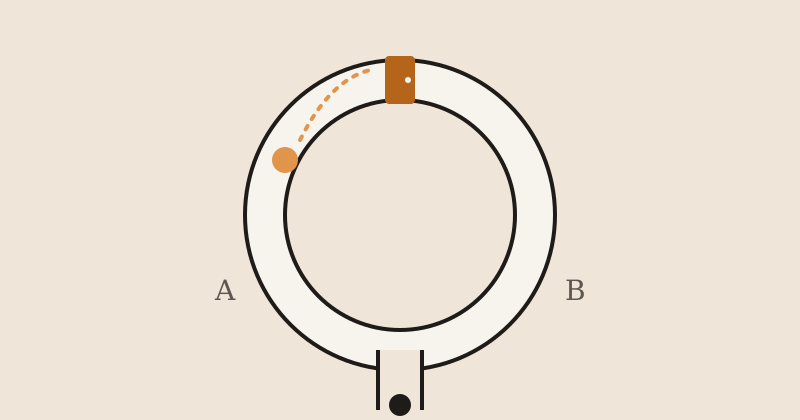
Zero-Knowledge Proofs Explained Without the Math
How you can prove something is true without revealing why it is true, and why this idea now sits at the centre of blockchain privacy and scaling.
 Tokenization
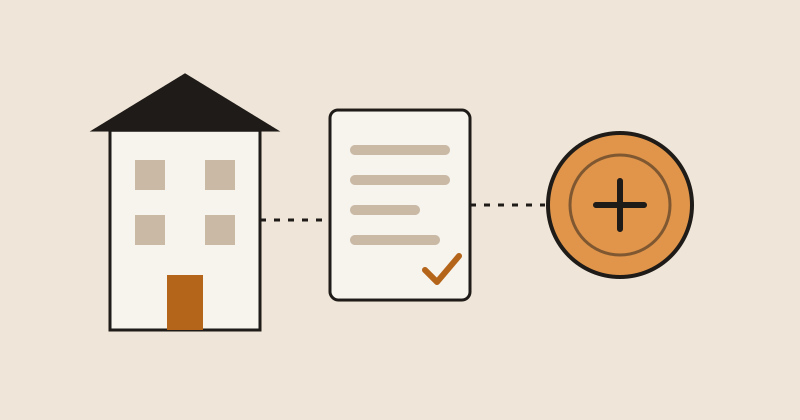
Tokenized Real-World Assets (RWA): A Plain-English Guide
What it means to put a bond, a building or a royalty stream on a blockchain, which parts the token handles, and which parts still depend on contracts, courts and custodians.
 Privacy
What Privacy Really Means on a Public Blockchain
Public blockchains are open ledgers that anyone can read. Here is what that exposes about ordinary users, what stays hidden, and why pseudonymity is weaker than it sounds.